
Many consider melasma a surface-level concern, but it’s truly a multifaceted condition that can have its own physical and emotional effects, influencing confidence and well‑being in ways that extend beyond simple pigmentation changes.
At DeLozier Plastic Surgery, we believe that informed care and thoughtful guidance are the first steps toward meaningful transformation. We help you determine what melasma is, why it occurs, and how to effectively address it.
In this comprehensive guide, we evaluate flare-up triggers and share how a holistic melasma treatment near Franklin, TN, is often the best solution for lasting relief.
What Is Melasma?
Melasma is a chronic pigmentation disorder characterized by brown patches on the skin, most commonly on the cheeks and forehead.
It occurs when pigment-producing cells, known as melanocytes, become overstimulated and begin producing excessive amounts of melanin (a molecule responsible for skin color).
This excess melanin gets deposited unevenly within the skin, often remaining concentrated in specific areas and leading to visible discoloration. While melasma is not dangerous, it can have a meaningful impact on self-confidence and emotional well-being for those affected.
The Health-Related Triggers Behind Melasma
Melasma is a multifactorial condition, so it does not stem from a single cause. Instead, a combination of internal and external factors causes the recurring pigmentation changes.
Some common health-related triggers of melasma include:
- Hormonal influence: Our hormones play a significant role in triggering melasma, particularly in women.
- Genetic predisposition: Those with a family history of melasma or other pigmentation disorders may be more susceptible because of inherited traits.
- Sun exposure: One of the strongest contributors to melasma is ultraviolet (UV) radiation from the sun. UV rays activate melanocytes, prompting them to create more pigment.
- Underlying health conditions: Some medical conditions—like thyroid issues, nutritional deficiencies, and adrenal gland disorders—can influence or worsen melasma.
Why Treating Melasma Requires a Holistic Approach
At DeLozier Plastic Surgery, pigment from melasma is a signpost. It can reflect what’s happening deeper within your skin and, often, within your body. That’s why our approach is always comprehensive.
The first step focuses on addressing the visible discoloration through targeted, medical-grade treatments.
Some treatments include:
After treating the pigmentation, the next step is supporting your skin from the inside out. This can include:
- Starting daily sunscreen use.
- Supplementing targeted nutrients and antioxidants, like vitamin C, vitamin E, and glutathione.
- Eating an anti-inflammatory diet, rich in colorful vegetables, fruits, nuts, seeds, and oily fish.
Take the Next Step Toward Clearer, Healthier Skin
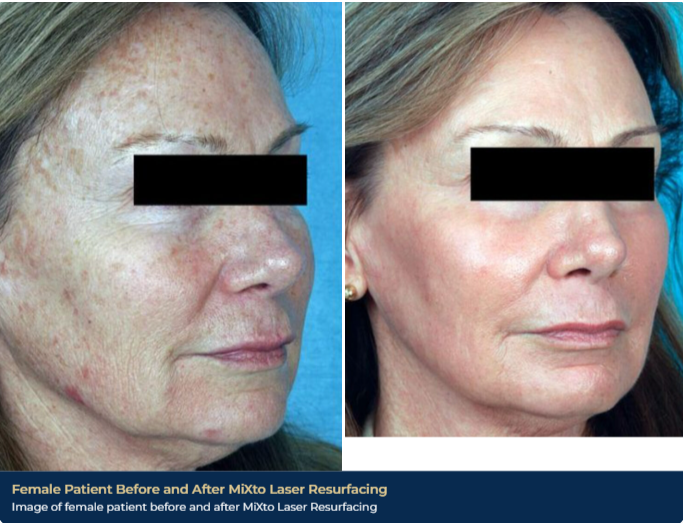
Addressing melasma successfully begins with education and continues with expertly guided care. Identifying contributing factors, such as sun exposure and hormonal influences, allows for the development of a strategic treatment plan to improve tone and restore clarity.
At DeLozier Plastic Surgery, our treatment plans are never one-size-fits-all; they are guided by experience, precision, and a commitment to natural-looking results.
If melasma has been affecting your confidence or quality of life, take the next step toward comprehensive care by scheduling a consultation with our team and asking us about our melasma treatment near Franklin, TN.