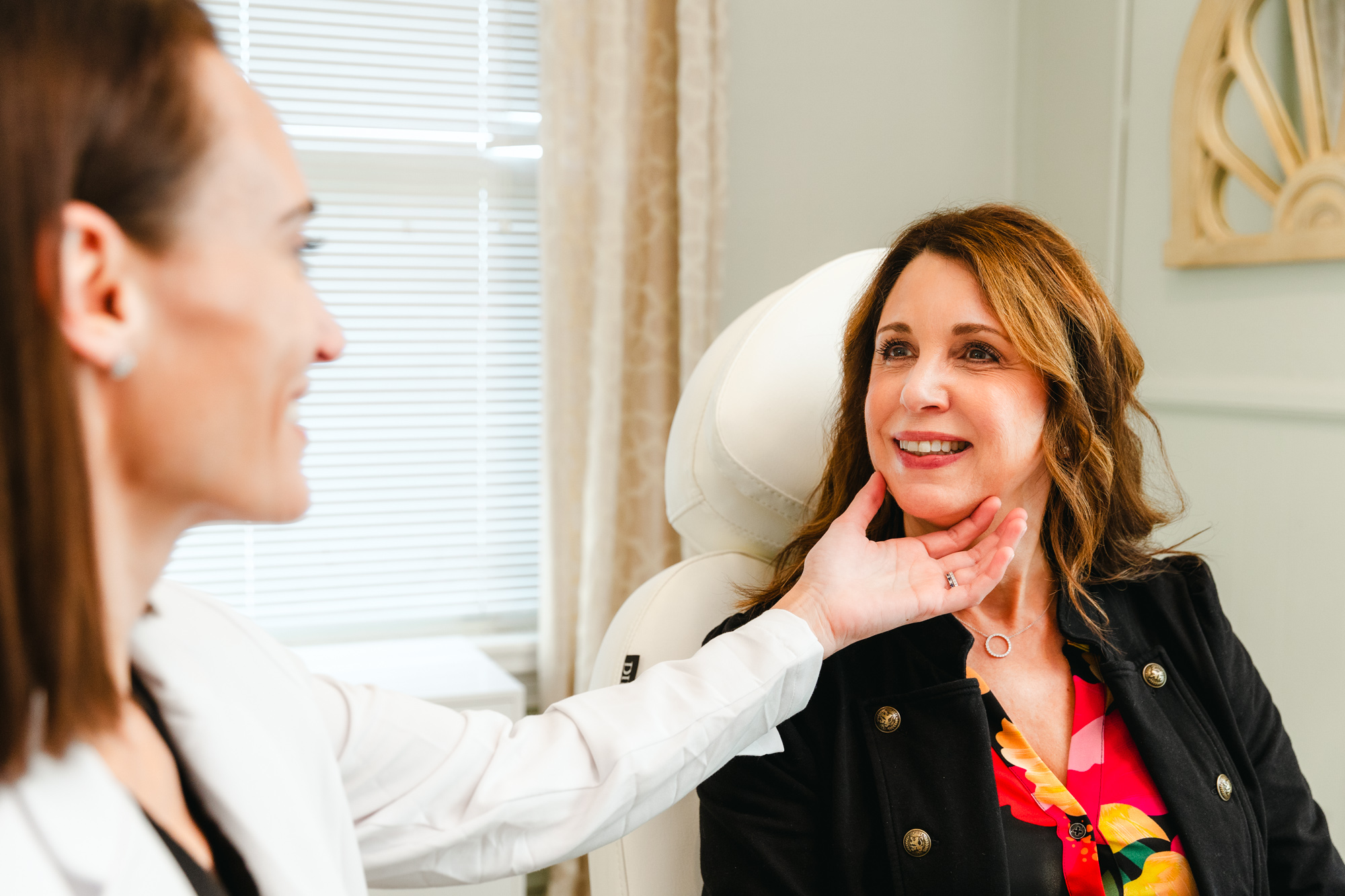
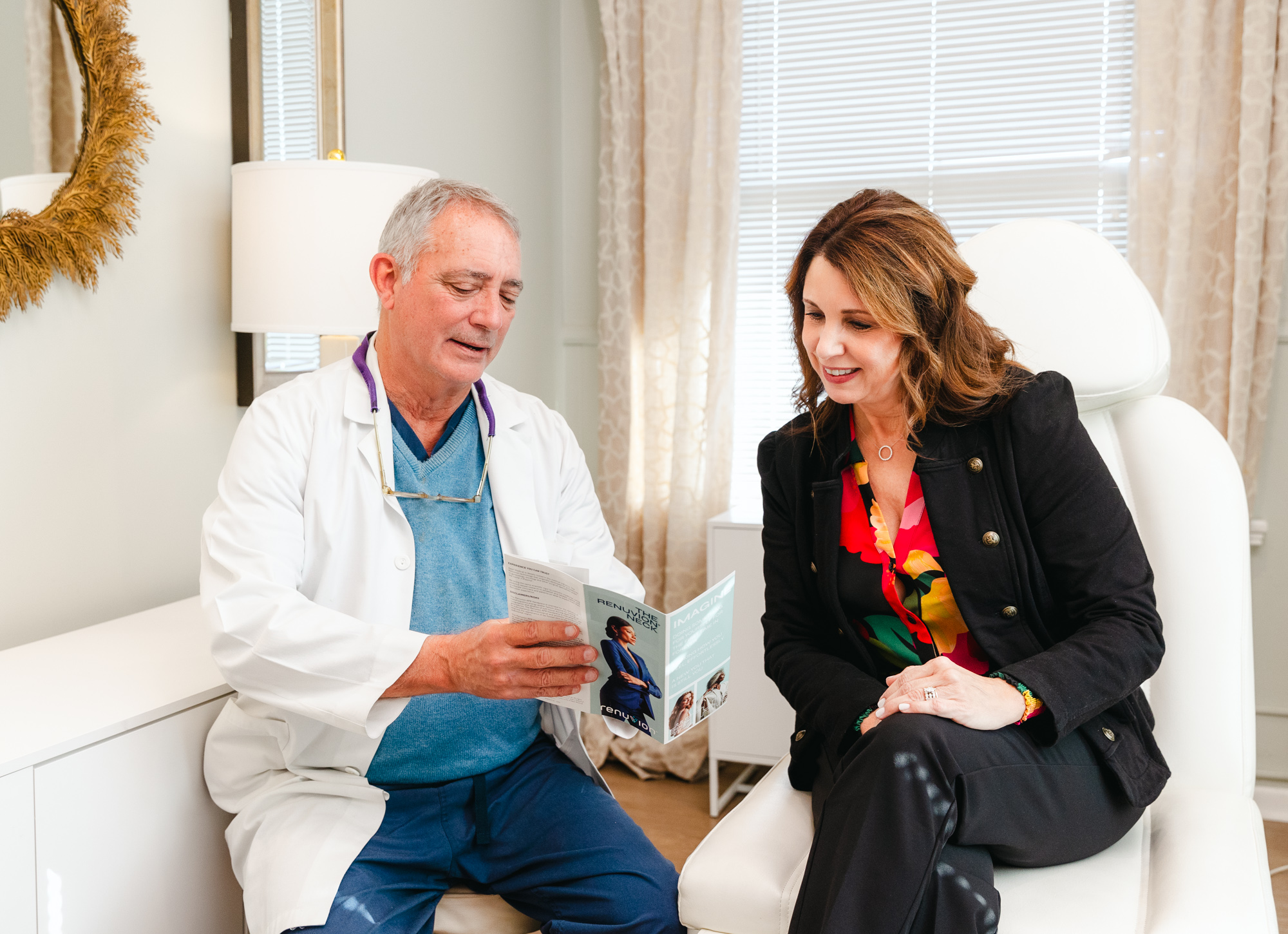
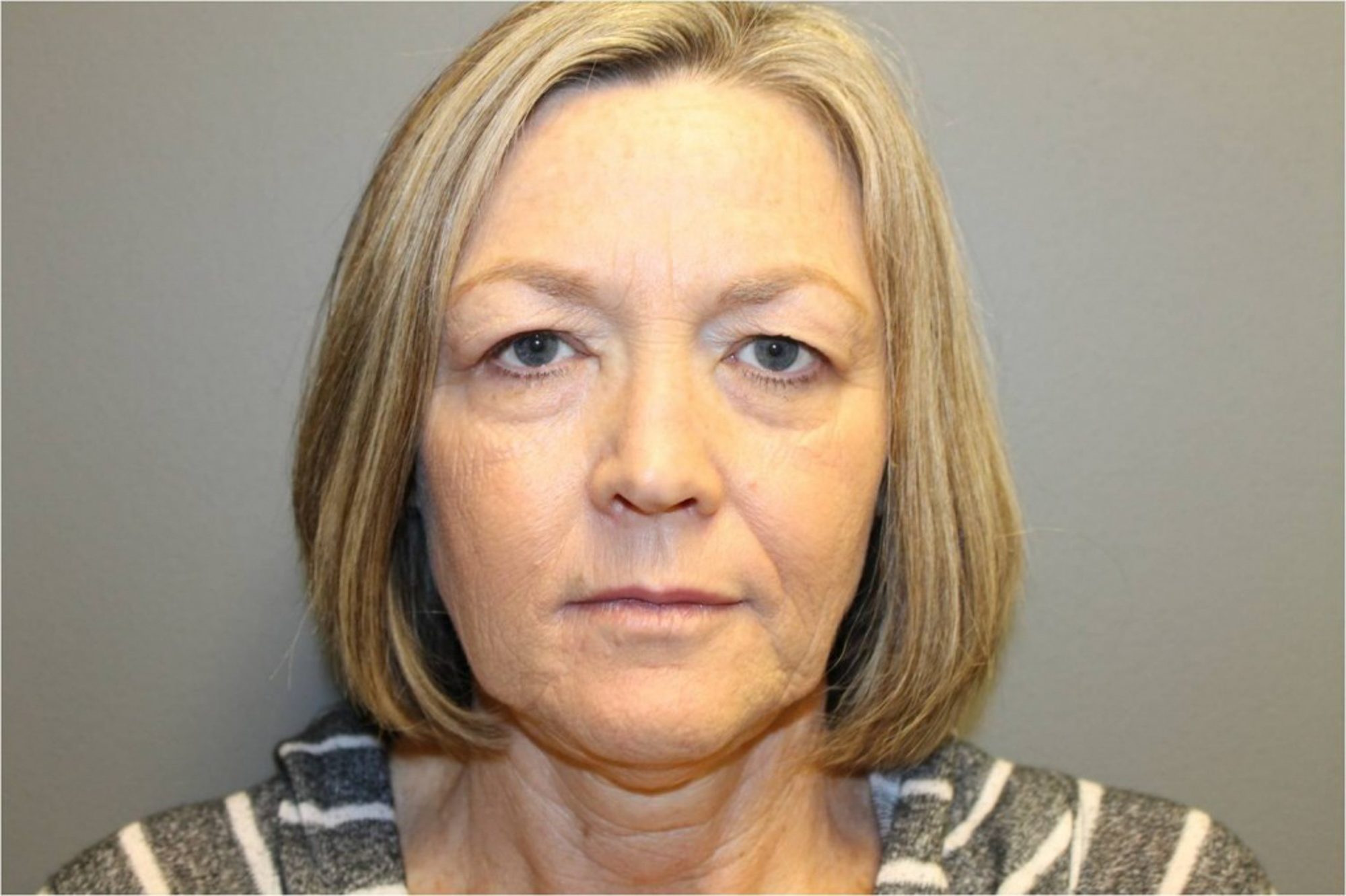
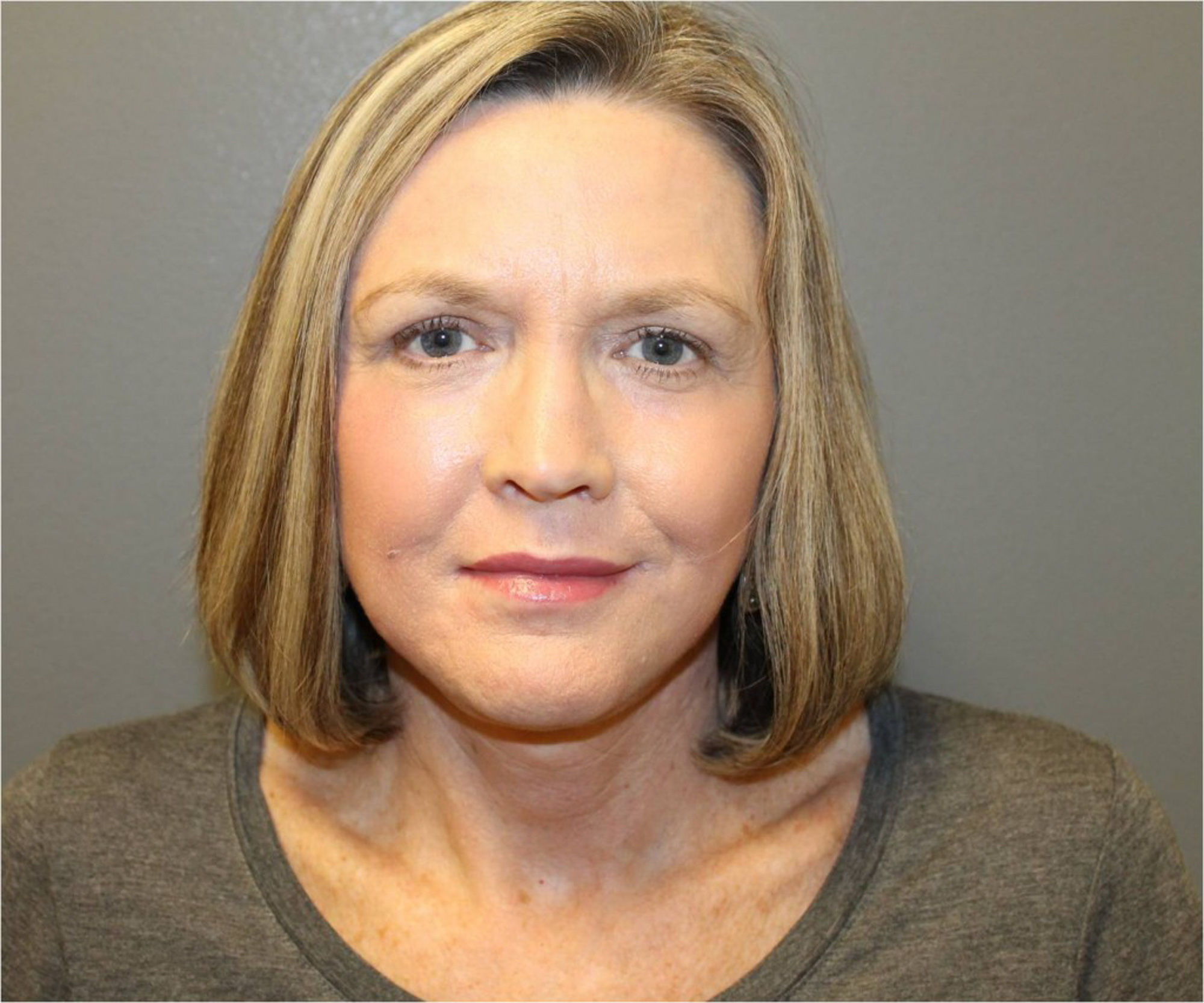
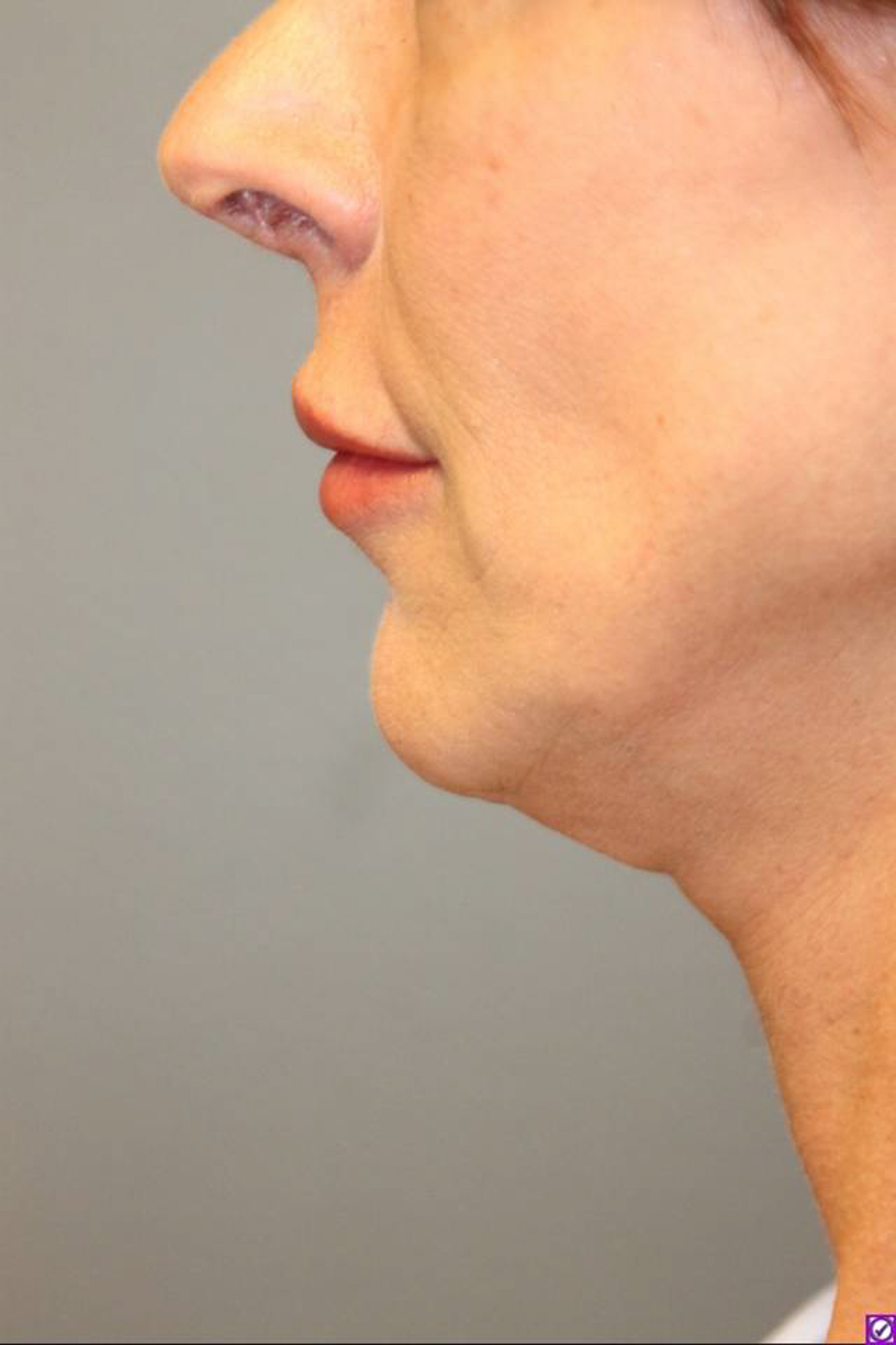
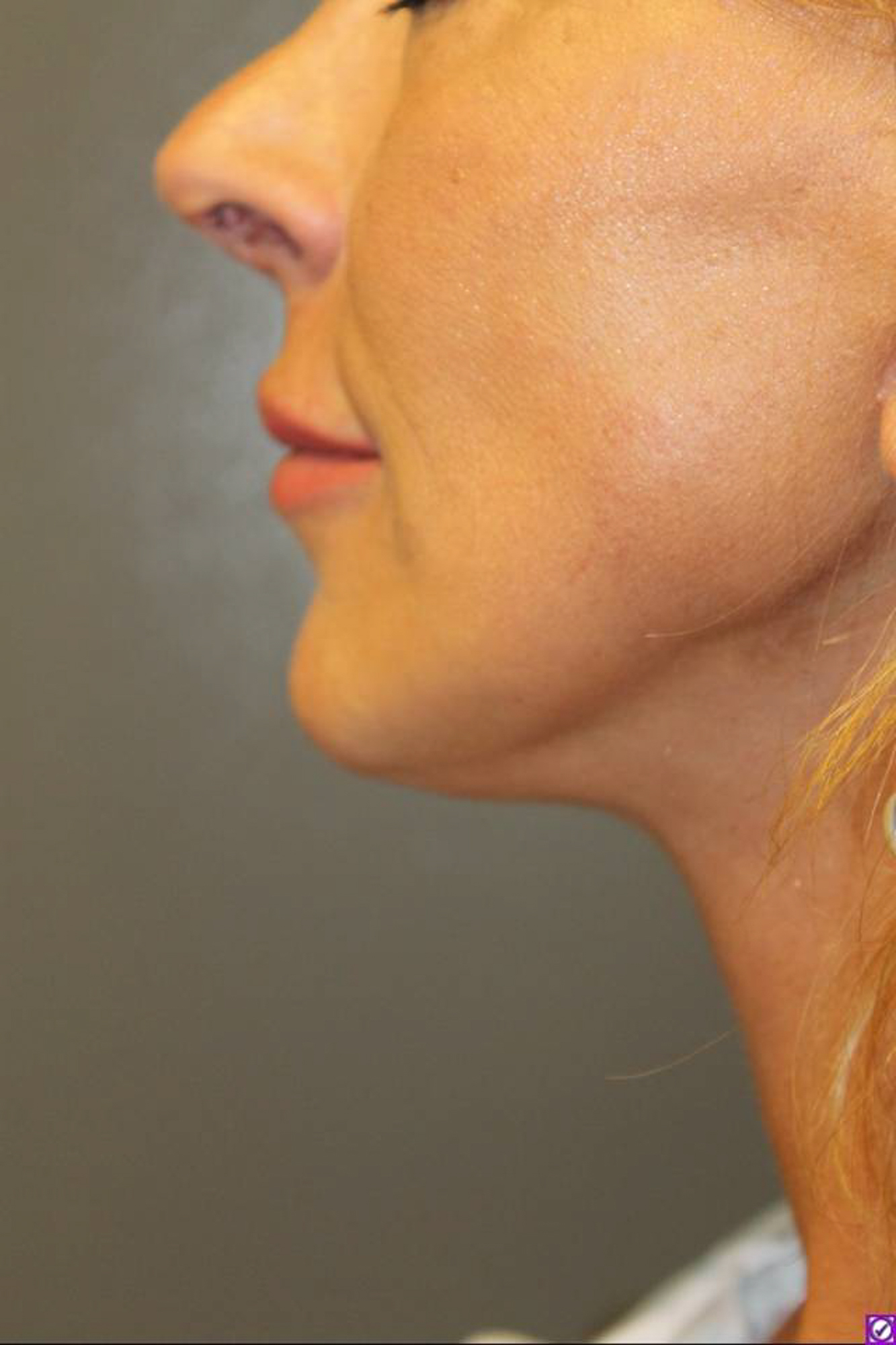
Experience Changes How a Surgeon Sees the Face
In the early stages of surgical training, a provider focuses on mastering technique. Over time, however, experience develops something far more valuable: judgment.
A seasoned surgeon begins to recognize subtle patterns that influence both surgical planning and ultimate outcomes.
The best surgeons only build their tailored facelift plans after gathering insights:
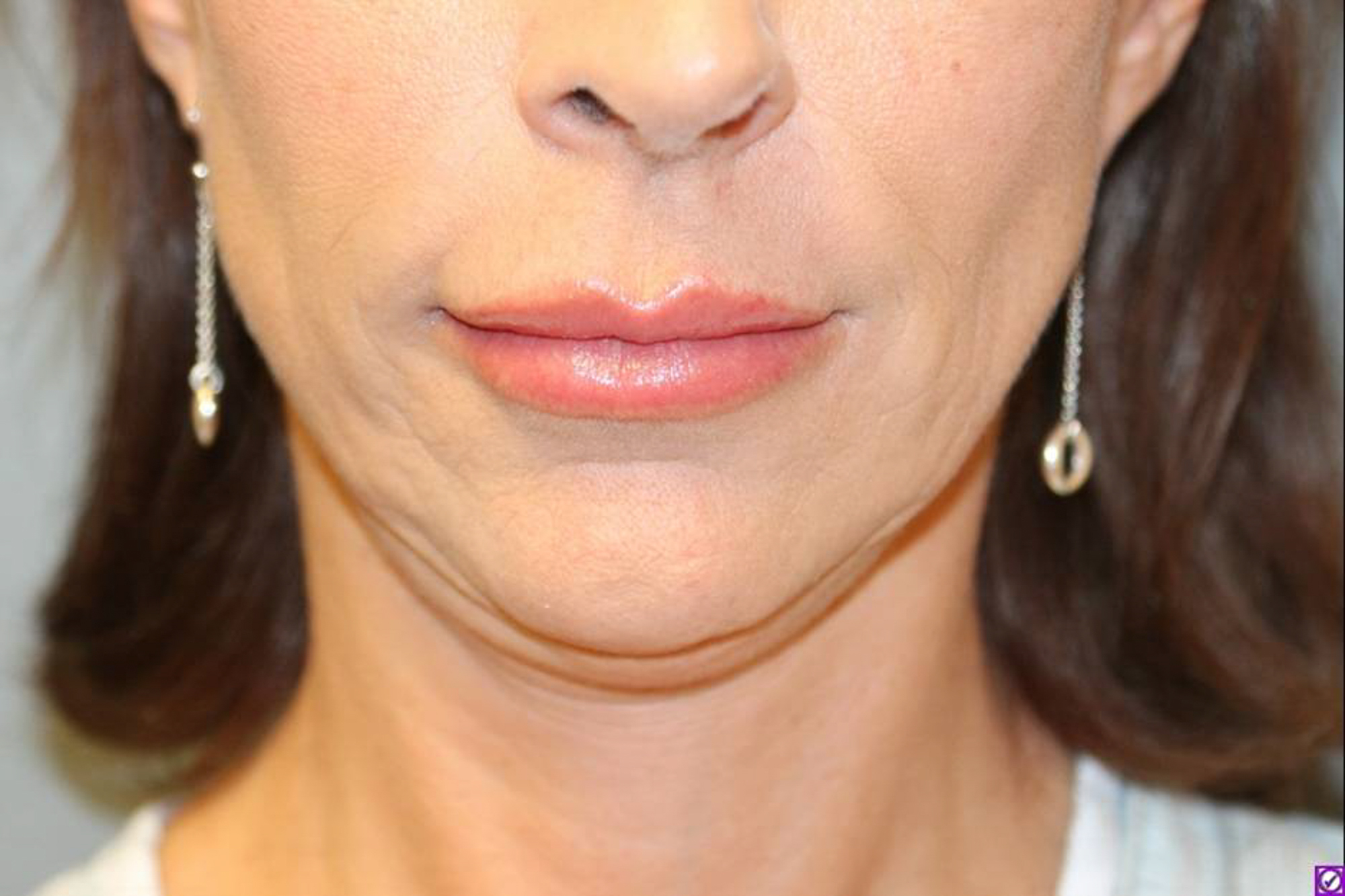
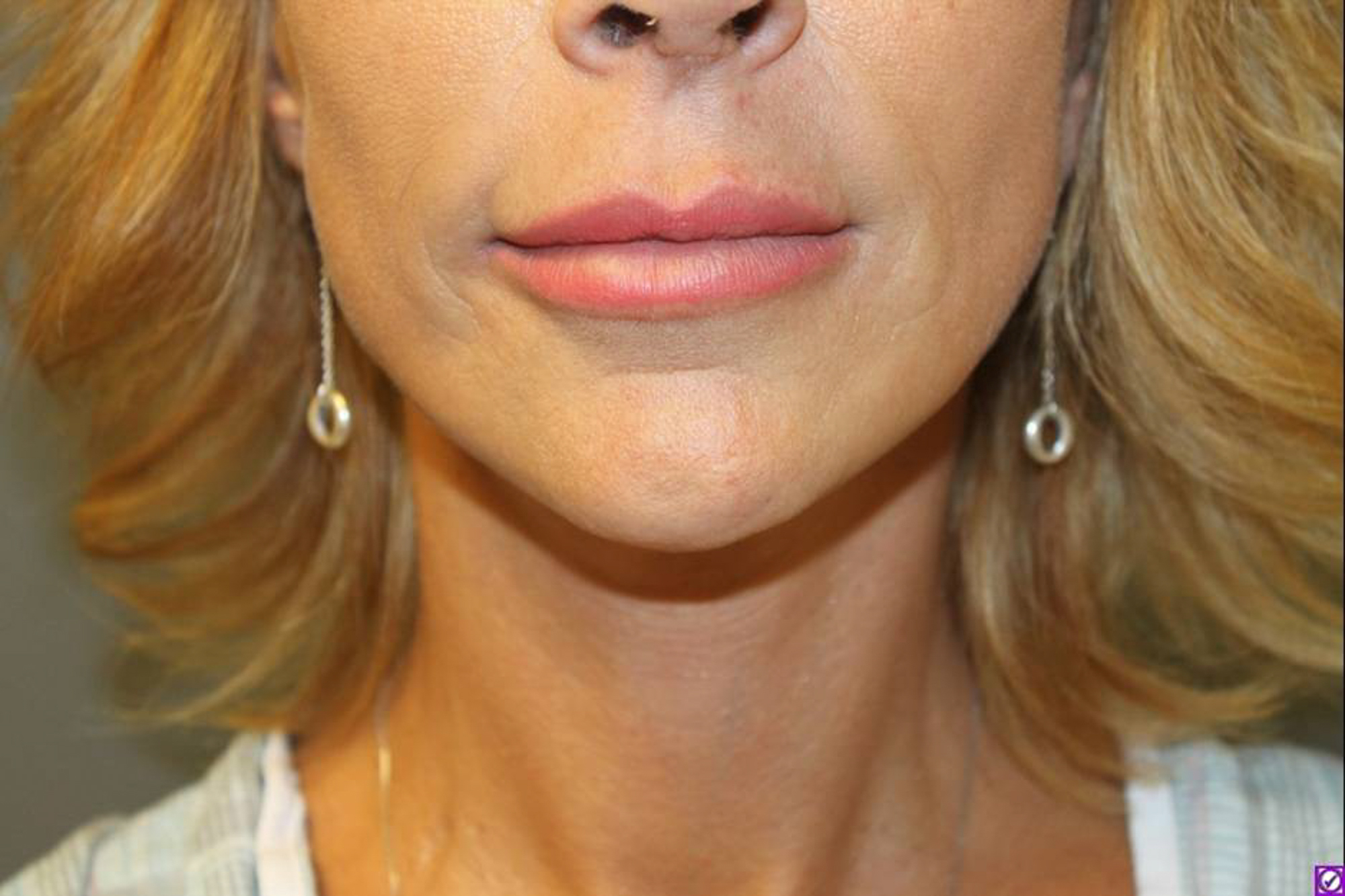
- Determining whether visible signs of aging result from volume loss, sagging tissue, or a combination of both.
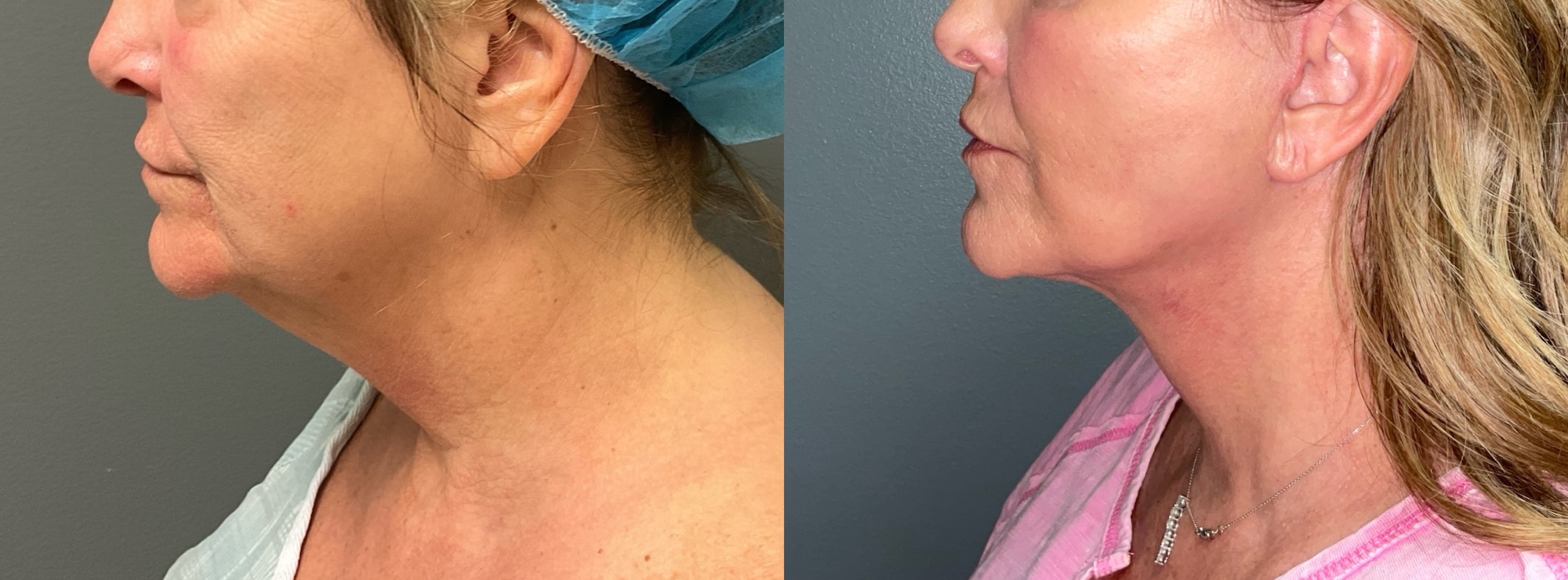
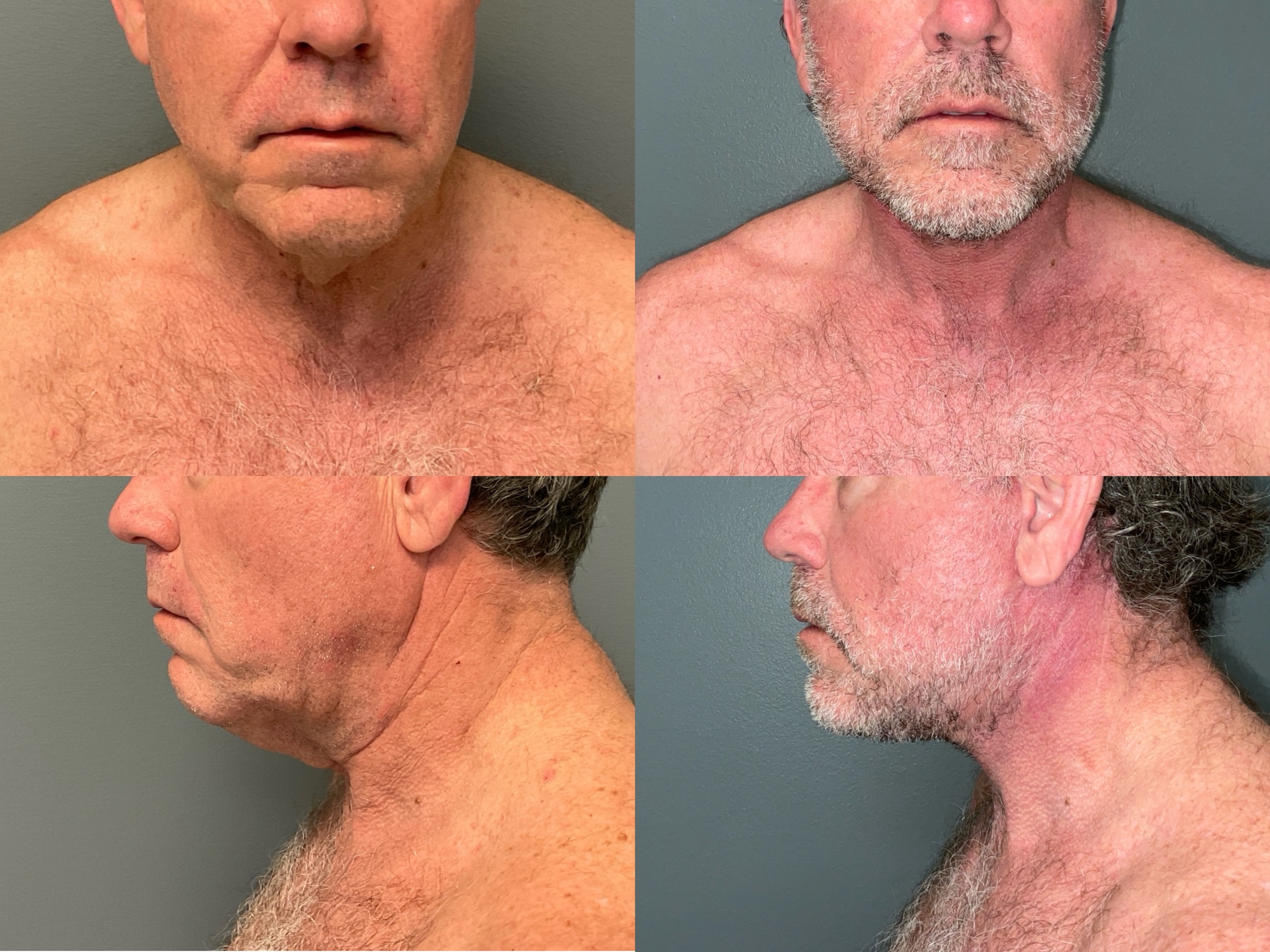
- Understanding how changes in the neck impact the appearance of the jawline and lower face.
- Identifying when correction will enhance balance and when restraint will produce a more natural result.
Surgeons early in their careers may rely more heavily on standardized approaches. While these methods can be effective, they don’t sufficiently account for the unique anatomical variations present in each patient. Experience allows for a more tailored, intuitive approach; one that changes based on each patient for truly unique results.
This distinction is critical when choosing a plastic surgeon for your facelift in Nashville, or in any city that offers a wide range of providers.
Technical Skill and Surgical Judgment
Technical mastery is essential in any surgical procedure, but only as one part of the complete equation. Surgical judgment, the ability to make nuanced decisions in real time, is developed through years of experience and careful observation of long-term results.
With experience, a surgeon gains a deeper understanding of:
- How much lift is enough
- Where not to tighten
- When asymmetry should be left untouched
- Why perfect symmetry can look artificial
These judgments cannot be standardized. They come from repeatedly seeing how the face changes months and years after surgery.
Anticipating How Tissues Evolve
Facial tissues are dynamic. They respond to surgery by swelling, relaxing, and gradually adapting over time.
An experienced surgeon does not operate with only the immediate appearance in mind, but instead anticipates how the face will evolve in the weeks, months, and years following surgery.
In practice, that means:
- Avoiding overcorrection
- Planning swelling resolution patterns
- Preserving natural movement
- Designing results that soften gracefully
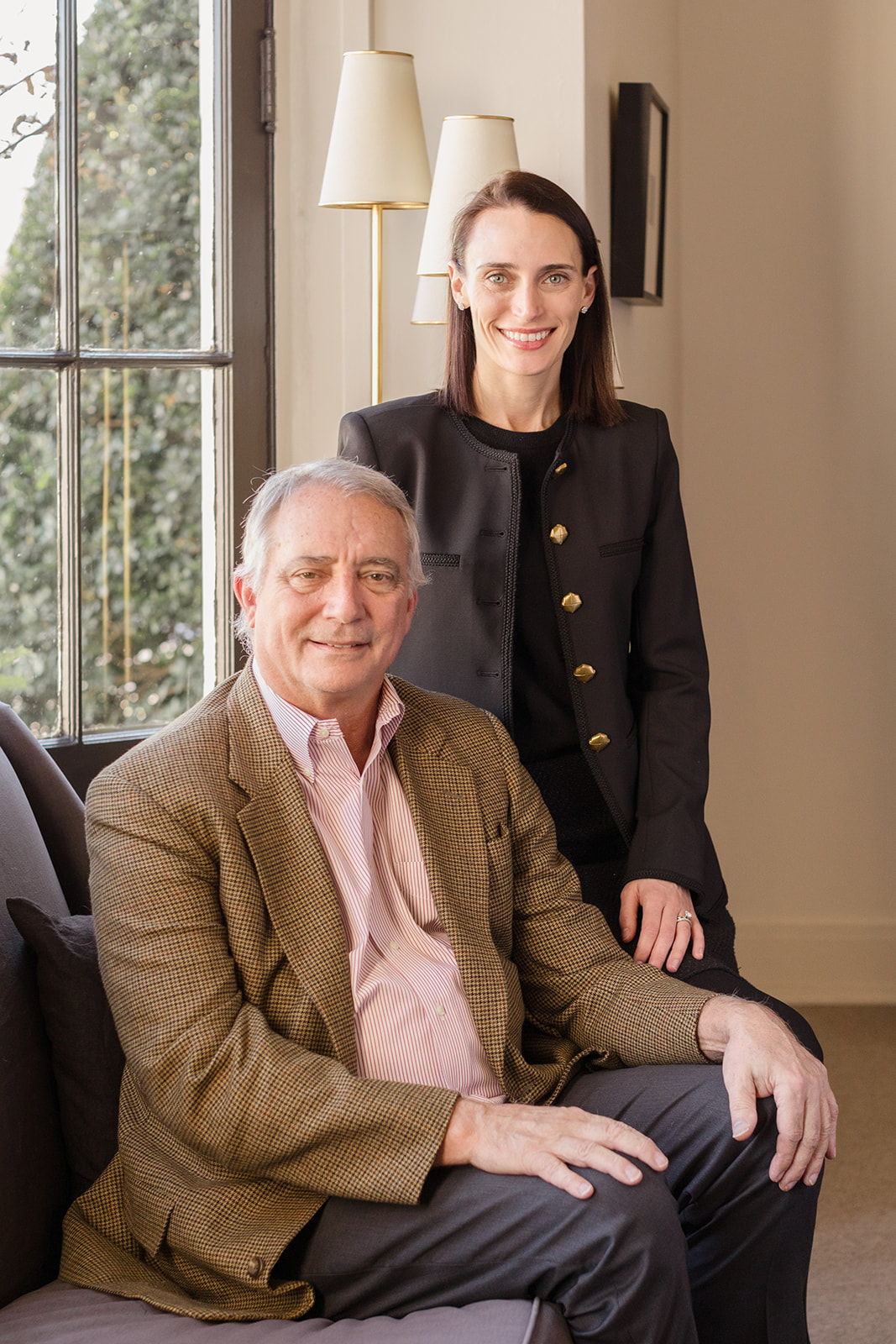
Both Dr. DeLozier and Dr. DeLozier Ferguson emphasize this forward-thinking approach. Results from their facelifts not only look refined initially, but continue to appear balanced and natural well into the future.
Expertise Extends Beyond the Operating Room
Even after an excellent facelift in Nashville, healing varies from person to person. Subtle differences in swelling, scar formation, or tissue response are a normal part of recovery.
An experienced surgeon can:
- Differentiate between typical healing patterns and early signs of concern
- Provide reassurance when appropriate, while intervening when necessary
- Guide patients through recovery with clarity and confidence to support the best results
This level of expertise is a hallmark of high-quality care. At DeLozier Plastic Surgery, we approach post-operative management with the same level of precision and thoughtfulness as the procedure itself.
The Importance of Restraint
Many unsatisfactory facelift outcomes don’t come from a lack of lifting, but rather an excess. Over-tightening or over-lifting can distort a patient’s natural features and facial identity, leading to results that appear artificial or overdone.
With experience comes an understanding of facial proportion and harmony. The goal of a facelift in Nashville shouldn’t be to create a different face, but to restore a more youthful and polished version of the existing one.
A more measured approach leads to results that look natural, align with each patient’s unique identity, and continue aging gracefully.
Recognizing and Respecting Asymmetry
No human face is symmetrical. Attempting to force perfect symmetry during a procedure often produces unnatural tension in the face. Experienced surgeons recognize which asymmetries contribute to an individual’s unique expression.
Rather than correcting every variation, a skilled surgeon will determine when to preserve subtle asymmetries. This nuanced approach helps maintain authenticity and refinement after a procedure.
Treating the Face as a Unified Structure
Facial rejuvenation is rarely limited to a single area. The eyes, cheeks, jawline, and neck are visually interconnected, and changes to one region inevitably influence the others. An experienced surgeon looks at the face as a cohesive structure rather than a series of isolated components.
For example:
- Enhancing the jawline without addressing the neck may create an imbalance
- Focusing solely on the midface may leave lower facial aging more apparent
A comprehensive approach promotes results that are cohesive and harmonious. By considering how each element of a face interacts, surgeons can create outcomes that appear seamless and naturally integrated.